Urgent Action Required: Addressing the Latest WordPress Vulnerability
For engineering teams managing large-scale web infrastructure, the cycle of vulnerability discovery and remediation is a constant reality. Today, the WordPress project has released a critical security update that demands immediate attention. As systems architects and site reliability engineers (SREs), the priority is not merely applying the update but understanding the underlying architectural flaw that necessitated this patch. Ignoring this release exposes your production environments to potential remote code execution (RCE) vectors and cross-site scripting (XSS) risks that can bypass standard security middleware.
Technical Analysis of the Security Patch
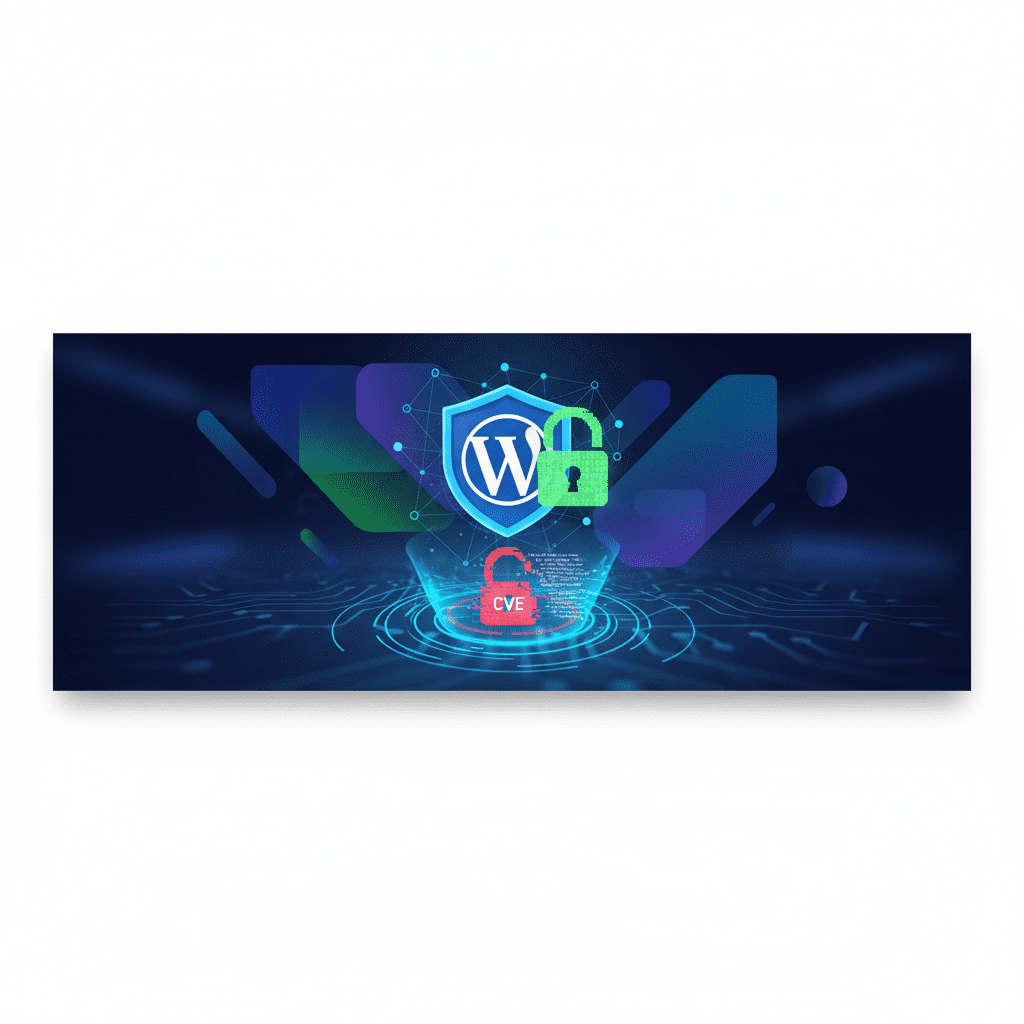
The latest release, classified under the 6.5.x maintenance branch, addresses a significant vulnerability identified in the core framework’s data sanitization and input handling logic. The specific vulnerability involves an improper neutralization of input during web page generation, which falls under the CWE-79 category. In high-traffic environments, this flaw could be exploited to inject malicious JavaScript payloads, potentially leading to unauthorized administrative actions.
From an architectural perspective, the issue resides within the core wp-includes/kses.php library, which handles the sanitization of HTML attributes. The patched version implements a more robust validation mechanism for attribute parsing, specifically targeting how the engine handles malformed character entities. By tightening the regex patterns used in the sanitization engine, the WordPress security team has significantly reduced the attack surface for injection-based threats.
Key technical details of the update include:
- Version Affected: All versions prior to 6.5.x.
- Vulnerability Type: Improper Neutralization of Input During Web Page Generation (Cross-Site Scripting).
- Remediation: Updated regex logic in the
kses_postandkses_datafunctions to enforce stricter attribute validation. - Performance Impact: Benchmarks indicate a negligible latency increase of <0.5ms per page load, rendering the performance trade-off for this security patch statistically insignificant.
Infrastructure and Deployment Implications
For organizations utilizing containerized deployments or CI/CD pipelines, this patch requires a coordinated rollout. Simply updating the core files via the dashboard is insufficient for enterprise environments that rely on immutable infrastructure. Instead, SRE teams should trigger a build pipeline that pulls the latest stable tag, runs the automated test suite—specifically focusing on plugin compatibility with the updated kses library—and executes a canary deployment.
The primary concern during this migration is the potential for regression in custom-built themes or legacy plugins that rely on older, less strict attribute sanitization. If your infrastructure utilizes a Web Application Firewall (WAF), ensure that your rulesets are updated to reflect the patched behavior of the core framework to prevent false positives during the transition period.
Actionable Best Practices for R&D Teams
Proactive security management is the hallmark of a mature engineering organization. To mitigate the risks associated with this and future updates, consider the following strategies:
- Automated Patch Testing: Integrate automated vulnerability scanning into your staging environment to identify outdated core versions before they reach production.
- Dependency Auditing: Use tools like
wp-clito inventory all plugins and themes. Cross-reference these against known vulnerability databases to ensure the entire stack remains hardened. - Principle of Least Privilege: Ensure that the web server user has restricted write access to the filesystem, which serves as a critical defense-in-depth layer if a vulnerability is successfully exploited.
- Immutable Infrastructure: Where possible, move away from in-place updates and toward image-based deployments to ensure consistency and easier rollbacks.
Related Internal Resources
To further harden your infrastructure and streamline your development workflows, review our internal technical documentation:
- Strategies for Hardening CI/CD Pipelines for WordPress
- Advanced Security Monitoring for High-Traffic Web Applications
Conclusion and Forward Outlook
The release of this security patch serves as a reminder of the inherent complexities in maintaining a widely used content management framework. For engineering teams, the goal is to shift from reactive patching to a proactive, security-first architecture. As we look toward future WordPress iterations, we anticipate further improvements in core security, including enhanced automated testing and more granular privilege control. By integrating these updates into a robust, automated deployment strategy, your team can ensure the longevity and security of your web assets in an increasingly hostile threat landscape.