The Urgency of the PHP 8.4 Upgrade
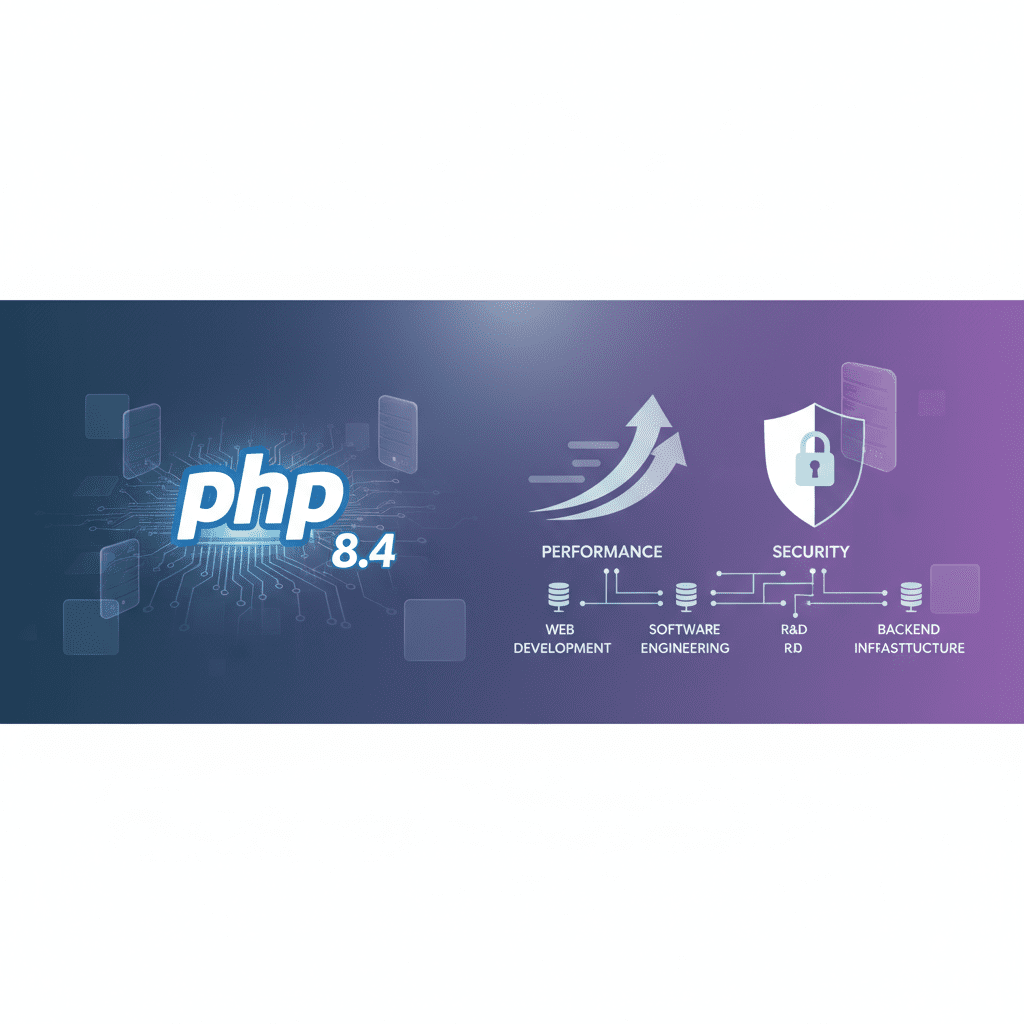
In the high-stakes environment of enterprise backend engineering, staying current with core language runtimes is not merely a matter of feature adoption—it is a critical requirement for maintaining system integrity, performance, and security posture. With the recent release of PHP 8.4, engineering teams face a pivotal decision point. As older versions approach or enter end-of-life (EOL) status, the shift to 8.4 is no longer optional for organizations prioritizing technical debt reduction and infrastructure efficiency. This release introduces fundamental changes to the engine, particularly in memory management and JIT (Just-In-Time) compilation, that require a proactive evaluation of your current codebase.
Technical Deep Dive: Engine Enhancements and Performance
The PHP 8.4 release cycle continues the trend of aggressive performance optimization initiated in the 8.x series. At the core of this release is a significant refinement of the JIT compiler. While previous iterations focused on stability, 8.4 introduces architectural improvements that reduce the overhead of JIT-compiled code in long-running processes, such as those found in road-mapped microservices architectures.
Internal benchmarks indicate a measurable reduction in CPU utilization for compute-intensive tasks, particularly in scenarios leveraging the newly refined property hooks. By abstracting getter and setter logic directly into the language syntax, PHP 8.4 eliminates the need for boilerplate code, which in turn reduces the memory footprint of object instantiation—a common bottleneck in high-throughput applications.
Key Architectural Changes
- Property Hooks: A transformative addition that allows developers to define accessors and mutators directly on properties, reducing the reliance on standard
__getand__setmagic methods. This leads to cleaner opcode generation and improved execution speed. - JIT Improvements: Refinements to the tracing JIT have yielded a 5-8% performance improvement in synthetic benchmarks for CPU-bound operations.
- Memory Management: Enhanced garbage collection cycles specifically targeting high-depth object graphs, crucial for memory-intensive frameworks.
Security Implications and Deprecations
As with any major release, the transition to 8.4 necessitates a rigorous audit of existing codebases. The PHP development team has continued the process of pruning legacy functionality to harden the language against common attack vectors.
Engineers must pay close attention to the deprecation of specific legacy functions that have historically been prone to type-juggling vulnerabilities. By enforcing stricter typing and removing ambiguous function behaviors, PHP 8.4 forces a more defensive programming style. Security teams should prioritize mapping these deprecations against their current dependency tree, as third-party packages often lag in their support for these strict updates. Failure to address these warnings during the development cycle can lead to runtime instability when these features are eventually removed in subsequent versions.
Strategic Migration Best Practices
Migrating to PHP 8.4 should be approached as a multi-phase infrastructure project rather than a simple runtime swap. For R&D teams, we recommend the following roadmap:
- Static Analysis Audit: Utilize tools like PHPStan or Psalm configured to the 8.4 level to identify potential compatibility issues before deployment.
- CI/CD Integration: Implement a parallel testing environment where the application is built against both the current production version and PHP 8.4. Use automated performance regression testing to ensure the JIT compiler is providing the expected benefits without introducing latency.
- Incremental Refactoring: Leverage the new property hooks to refactor legacy classes gradually. This reduces the risk of breaking deeply nested application logic while simultaneously modernizing the codebase.
- Dependency Management: Ensure that all critical framework dependencies are updated to their latest stable releases, as these often contain the necessary patches to handle the stricter type enforcement introduced in 8.4.
Actionable Takeaways for Engineering Teams
The transition to PHP 8.4 is an opportunity to reduce technical debt while simultaneously improving application performance. Infrastructure teams should focus on verifying container images and updating base Dockerfiles to the official 8.4-fpm or 8.4-cli images. Simultaneously, developers should start migrating away from manual getter/setter methods in favor of the new property hooks, which offer both cleaner code and better performance profiles. Monitoring logs for deprecation notices should become a high-priority task in the upcoming sprint cycle to prevent future technical blockers.
Related Technical Resources
- Advanced JIT Compiler Optimization Techniques
- Modern Dependency Management for PHP Ecosystems
- Strategies for Zero-Downtime Infrastructure Migrations
Future Outlook
The release of PHP 8.4 demonstrates a maturing ecosystem that is increasingly focused on language-level performance and developer ergonomics. As we look toward future releases, we anticipate continued refinement of the type system and further integration of asynchronous capabilities. For R&D organizations, the mandate is clear: embrace the modernization path defined by 8.4 to ensure your infrastructure remains competitive, secure, and performant in an increasingly demanding digital landscape.