The Inevitable Collision: AI’s Urgency Meets Legacy’s Inertia
For R&D engineering teams operating within the customer experience (CX) domain, the mandate is clear: integrate Artificial Intelligence now, or risk obsolescence. Yet, this imperative frequently collides head-on with the deeply entrenched reality of legacy contact center technology. Years, often decades, of incremental development, bespoke customizations, and monolithic architectures have created systems that are mission-critical but notoriously resistant to rapid, transformative change. The dilemma is stark: embrace AI’s promise of hyper-personalized, efficient customer interactions or face the prohibitive costs and operational risks of a complete rip-and-replace. This is the urgent engineering challenge that TTEC Digital aims to address with its latest software release, the AI Gateway, a solution poised to redefine how enterprises integrate cutting-edge AI into their existing contact center ecosystems.
Background Context: The AI Imperative and Legacy Burden
The strategic value of AI in the contact center is no longer debatable. From intelligent virtual agents capable of handling complex queries to real-time agent assist tools providing sentiment analysis and next-best-action recommendations, AI promises to elevate CX, reduce operational costs, and unlock unprecedented data insights. However, the journey from AI vision to operational reality is fraught with technical hurdles, particularly when integrating with legacy platforms. These systems, often built on outdated architectures, proprietary protocols, and siloed data stores, present significant integration challenges:
- Data Fragmentation: Customer interaction data, CRM records, and backend systems often reside in disparate, incompatible databases, making a unified AI data strategy difficult.
- API Limitations: Legacy systems typically lack modern, well-documented APIs, or their existing interfaces are too rigid to support the dynamic, real-time data exchange required by advanced AI models.
- Technical Debt: The sheer volume of technical debt in legacy systems complicates any attempt at modification, leading to extended development cycles and increased risk of system instability.
- Vendor Lock-in: Dependence on specific vendors for core contact center infrastructure can limit flexibility in adopting best-of-breed AI solutions.
- Migration Overhead: The perceived cost, time, and business disruption associated with migrating away from legacy systems often paralyze modernization efforts.
This “collision” creates a critical bottleneck for innovation, preventing enterprises from fully leveraging the transformative power of AI without undertaking costly and extensive overhauls.
Deep Technical Analysis: TTEC Digital’s AI Gateway – A Universal Connector
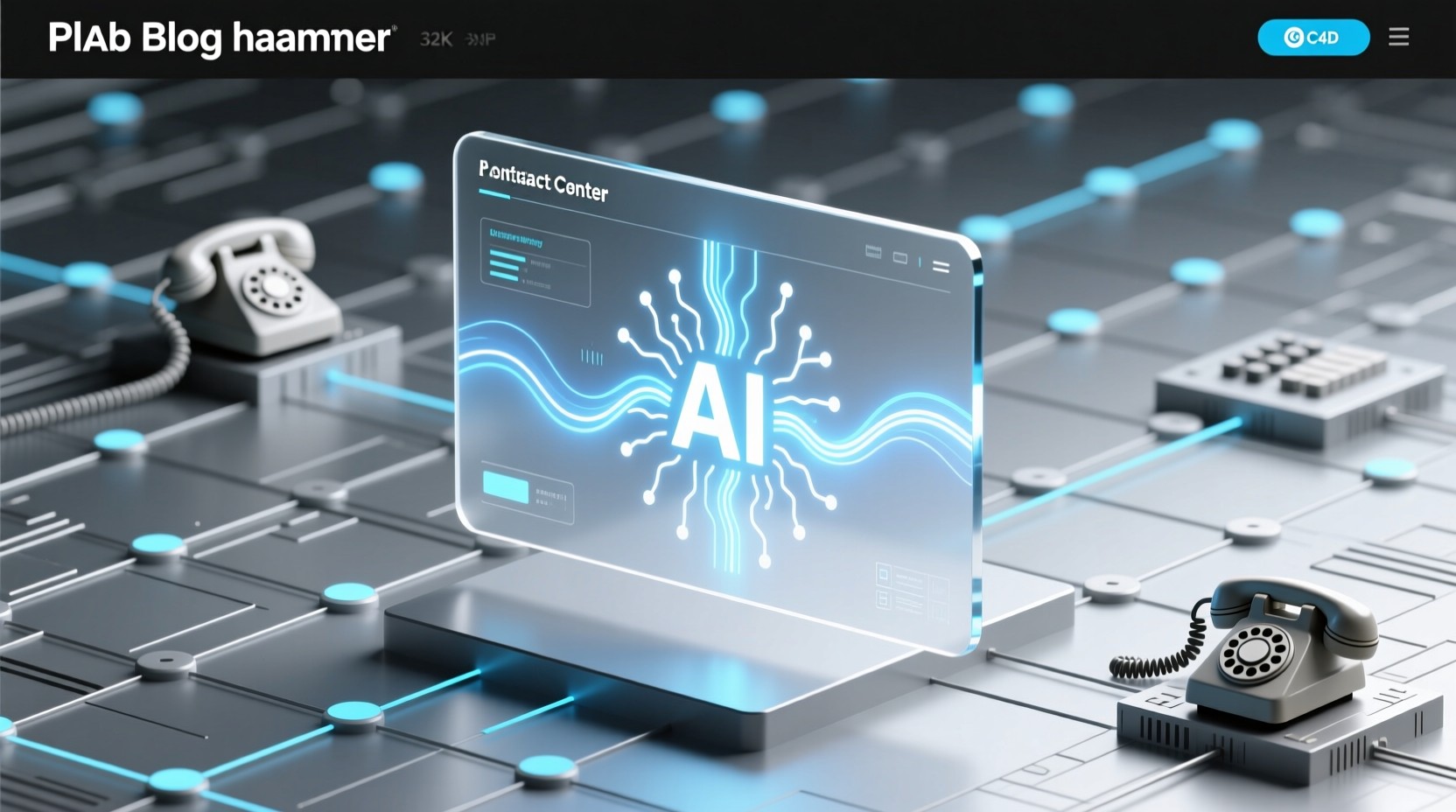
TTEC Digital’s AI Gateway emerges as a strategic answer to this pervasive problem. Announced recently, this software solution is designed as a universal connector, fundamentally linking modern AI models with existing legacy contact center infrastructure through a single, streamlined integration point.
At its core, the AI Gateway functions as an intelligent middleware layer. It abstracts away the complexities of legacy system interfaces, presenting a unified, standardized API surface for AI applications. This architectural decision is critical:
- Protocol Translation & Normalization: The Gateway likely incorporates robust protocol translation capabilities, converting modern API calls (e.g., RESTful, gRPC) into formats consumable by legacy systems (e.g., SOAP, proprietary messaging queues, even screen scraping where necessary). This normalization layer is essential for maintaining data integrity and operational consistency across heterogeneous environments.
- Multi-AI Platform Agnosticism: A key feature of AI Gateway is its broad compatibility. It supports integration with leading AI platforms such as Amazon, Google, and Microsoft, with expandability to emerging frontier AI solutions like Anthropic, OpenAI, and Nvidia. This vendor-agnostic approach is achieved through a pluggable architecture, allowing TTEC Digital to develop and maintain connectors for various AI model providers. This insulates the contact center from rapid shifts in the AI landscape, ensuring long-term flexibility and competitive advantage.
- CX and CRM Platform Integration: Beyond just AI models, the Gateway also integrates with major CX and CRM platforms. This holistic integration ensures that AI-driven insights and actions are not siloed but are seamlessly fed back into core customer interaction and relationship management systems, enriching customer profiles and empowering agents.
- Data Ingestion and Orchestration: The Gateway is engineered to ingest data from various sources, facilitating advanced AI processing. This implies sophisticated data pipelines capable of real-time event streaming, batch processing, and data transformation, ensuring that AI models have access to the most current and comprehensive customer context. It also suggests an orchestration layer that manages the lifecycle of AI requests, routing them to appropriate models and consolidating responses before interacting with legacy systems.
- Reduced Migration Burden: As highlighted by Alfredo Rizzo, CTO of TTEC, the primary objective is to enable clients to “deploy, test, and scale AI within the contact center ecosystem they already operate without embarking on costly and extensive migrations to new technology platforms.” This translates into significant cost savings and reduced operational risk by preserving decades of investment in existing infrastructure while unlocking new AI capabilities. Early adopters across sectors like healthcare, BFSI, telecom, and public sector are already reporting material increases in ROI, cost savings, and customer satisfaction directly attributable to AI-enabled interactions via the Gateway.
While specific version numbers or CVE IDs for AI Gateway were not publicly detailed in the initial announcements, the emphasis is clearly on its architectural design for interoperability, flexibility, and accelerated time-to-value. The solution acts as a critical abstraction layer, a pattern frequently employed in enterprise architecture to manage complexity and enable incremental modernization.
Practical Implications for Engineering Teams
For development and infrastructure teams, the introduction of a solution like AI Gateway has profound practical implications:
- Accelerated AI Adoption Cycles: Engineers can focus on integrating AI models and developing AI-powered features rather than expending significant effort on complex, low-level integrations with legacy systems. The Gateway streamlines the path from AI proof-of-concept to production.
- Simplified AI Orchestration: Managing multiple AI models from different providers (e.g., Google for NLP, Amazon for voice, a proprietary model for fraud detection) becomes more manageable. The Gateway acts as a central hub, simplifying routing, versioning, and monitoring of these diverse AI services.
- Enhanced Data Accessibility: By providing a unified data ingestion mechanism, the Gateway democratizes access to critical customer data for AI model training and inference, even when that data is spread across various legacy silos.
- Reduced Operational Risk: Testing and scaling AI capabilities can occur within the existing, familiar contact center environment. This iterative approach minimizes the risk of widespread system disruption often associated with large-scale platform migrations.
- Focus on Value-Added Development: With integration challenges largely mitigated by the Gateway, engineering resources can be redirected towards building innovative AI applications and optimizing customer journeys, rather than maintaining complex middleware.
Best Practices for AI-Legacy Coexistence
To maximize the benefits of solutions like TTEC Digital’s AI Gateway, engineering teams should adopt several best practices:
- Phased Integration & Iterative Deployment: Avoid a “big bang” approach. Start with high-impact, low-risk AI use cases (e.g., intelligent routing, basic chatbots) and expand iteratively. The Gateway facilitates this by allowing gradual deployment and testing of AI features.
- Robust API Management & Security: Even with a gateway, rigorous API management practices are essential. Implement strong authentication, authorization, rate limiting, and encryption for all interactions with the AI Gateway and connected systems. Monitor API usage for anomalies.
- Comprehensive Monitoring & Observability: Establish end-to-end monitoring for the hybrid AI/legacy ecosystem. This includes tracking AI model performance, latency, error rates, and the impact on legacy system health. Distributed tracing across the Gateway and connected services is crucial for rapid debugging.
- Prioritize Data Quality & Governance: The effectiveness of any AI system is directly tied to the quality of its training and operational data. Invest in data cleansing, annotation, and establishing clear data governance policies, especially when ingesting from diverse legacy sources. TTEC itself emphasizes the importance of data quality for AI success, noting that investing in data annotation can lead to results like 98% model accuracy.
- Agent Enablement & Training: AI should augment human agents, not replace them. Implement comprehensive training programs for agents on how to effectively utilize AI-powered tools and adapt to evolving workflows. TTEC Digital’s approach includes agent enablement and training to empower lean teams and improve efficiency.
Actionable Takeaways for Development and Infrastructure Teams
As you navigate the confluence of AI and legacy systems, consider these immediate actionable steps:
- Conduct a Legacy System API Audit: Understand the existing integration points, data formats, and authentication mechanisms of your core contact center and CRM platforms. This will inform how a gateway solution can best connect.
- Evaluate Gateway Solutions as a Strategic Layer: Prioritize architectural patterns that involve an intelligent abstraction layer, such as AI Gateway, over point-to-point integrations. This minimizes technical debt and maximizes flexibility.
- Invest in AI Orchestration Capabilities: Plan for a future where multiple AI models from different providers are utilized. Your integration strategy should support dynamic routing, A/B testing, and seamless swapping of AI services.
- Develop a Phased AI Rollout Plan: Map out specific AI use cases that can be incrementally introduced, tested, and scaled. Focus on delivering measurable business value at each stage.
- Strengthen Observability Stacks: Ensure your monitoring and logging infrastructure can handle the complexity of hybrid AI-legacy environments, providing deep insights into interaction flows and performance.
Related Internal Topic Links
- Microservices for CX Modernization: Breaking Down Monoliths
- Data Governance in AI-Driven Enterprises: Ensuring Trust and Compliance
- Real-time Analytics in Contact Centers: Powering Proactive CX
Forward-Looking Conclusion
The collision of AI with legacy contact center technology is not a roadblock, but a catalyst for architectural innovation. TTEC Digital’s AI Gateway represents a significant stride in this evolution, offering a pragmatic and powerful solution that allows enterprises to embrace the future of CX without abandoning their past investments. By abstracting complexity and providing a universal connector, it empowers engineering teams to rapidly deploy, test, and scale AI, transforming customer interactions and operational efficiencies. The future of the contact center is undoubtedly AI-powered, and the path to that future lies in intelligent integration strategies that bridge the old and the new, rewriting the enterprise AI playbook one seamless connection at a time. The focus will increasingly shift from “if” to “how” to integrate AI, with solutions like the AI Gateway leading the charge in making the “how” both feasible and highly effective.